Feeding livestock has always walked a fine line between science and intuition. You measure, mix, and hope the nutritional needs match your animals’ ever-changing requirements. But the truth is, relying on gut feeling and past experience isn’t cutting it anymore. With feed prices fluctuating and demand for efficiency at an all-time high, the livestock industry is turning to something far more precise—artificial intelligence and the Internet of Things.
These tools are no longer reserved for large-scale operations. Even small and mid-sized farms are starting to see the value in automation. It’s not just about convenience—it’s about keeping every ounce of feed accountable.
Data Doesn’t Sleep: How IoT Keeps Tabs on the Field
Think about it: a dairy farm with hundreds of cows with their respective nutritional requirements depending on their age, weight, health, and even the weather. Rather than playing a game of guesswork, sensors work for you. IoT technology, such as smart collars, weight scales, and weather monitors, is sending real-time data continuously. And this isn't done just
to have figures.
They monitor what a cow eats, how much it's exercised, or how much water it consumes. Feed bins report usage. Water troughs monitor flow rates. Even the barn temperature gets recorded. It's all stored and transmitted in real time to a central system. You don't need to wait for a problem to manifest—IoT alerts you the instant something goes awry.
This level of surveillance makes patterns more obvious. Is a specific group of pigs eating less than usual? Is the feed intake dropping when temperatures go up? You no longer need to dig through spreadsheets. The sensors bring clarity instantly.
Let the Algorithms Take Over: AI Turns Data Into Actions
Now, you might wonder: what do you do with all that data? This is where AI steps in. It’s the brains of the operation. Once the sensors collect data, AI takes over to analyze it and deliver insights that would take a human days to figure out.
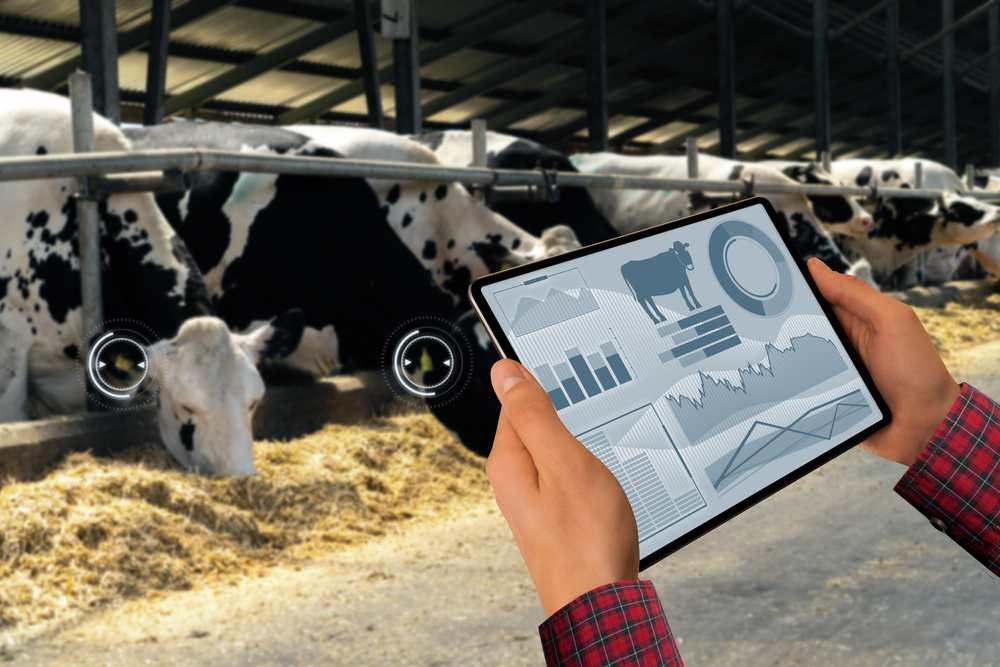
For example, a machine learning model can compare current feed intake to historical trends, adjust rations automatically, and predict when an animal’s health is starting to decline—before you’d even notice a change. It learns from patterns, detects anomalies, and corrects feed levels accordingly.
Let’s say a cow starts eating less but hasn’t lost weight yet. The AI notices. It flags that cow for early intervention, adjusts its feed mix, and even alerts you to a possible health issue. The same goes for group behavior. If one section of your herd is consistently underperforming, the AI checks feed formulas, water quality, and even ambient temperature to figure out why.
That’s not theory—it’s happening now. From poultry farms in the Netherlands to cattle operations in Australia, predictive feed systems are proving more accurate than manual tracking ever could be.
Efficiency Gains Without the Guesswork
One of the clearest benefits of combining AI and IoT in feed management is resource efficiency. Feed accounts for up to 70% of livestock production costs. Even a slight reduction in overfeeding or spoilage translates to serious savings.
With intelligent systems in place, you no longer have to second-guess the portion size or composition. You know exactly how much each animal needs and when they need it. If you’re running an operation with multiple feed types, the system can auto-adjust based on nutrient requirements—no manual input needed.
It also improves storage decisions. IoT sensors in silos can detect moisture buildup or contamination before it becomes a bigger issue. Automated reminders help you rotate stock on time, cutting down on waste and spoilage.
And there’s a ripple effect. When feed efficiency improves, animal health typically follows. Nutritional imbalances are caught early, preventing issues like bloating or underfeeding before they escalate. Healthy animals grow faster, produce more, and require fewer interventions. It also reduces stress on livestock, which is often linked to poor weight gain or lower milk yield. That means lower vet bills, less time spent troubleshooting, and better overall productivity across the board.
Making It Work: How the System Comes Together
Here’s how it all fits. Picture a connected setup with four core components:
Sensors – These are your eyes and ears. They sit on the animals, in the barn, on feeders, and inside water systems. They track everything from temperature to intake volume.
Cloud-Based Platforms – All data goes into one place. This centralized hub keeps everything logged and accessible, even across different farms.
AI Algorithms – This is where decisions happen. AI looks at trends, makes predictions, and adjusts feeding instructions in real time.
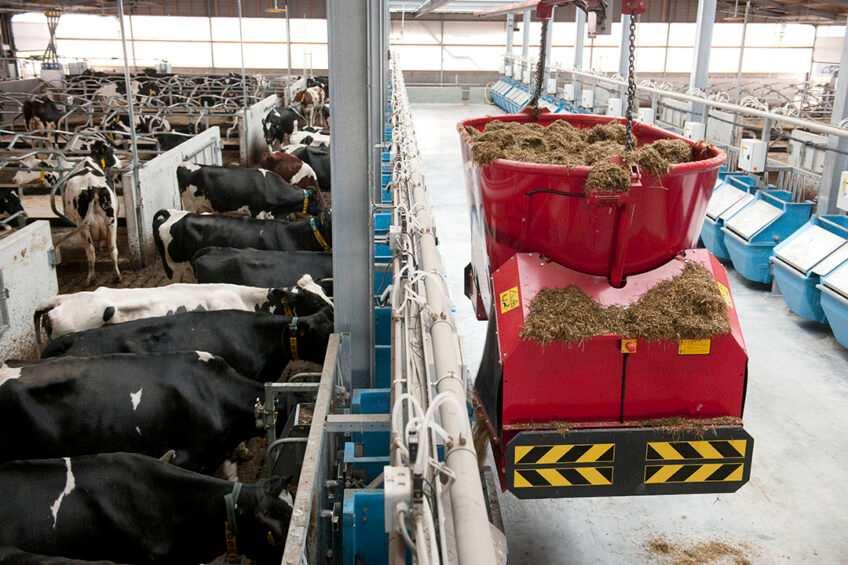
Automated Equipment – Feeders and mixers are synced with the data. They deliver exact rations per animal or group without manual intervention.
Once installed, the system runs with minimal oversight. Sure, humans are still needed to supervise and respond to alerts, but the heavy lifting is done by machines. Setting it up does take some upfront effort—calibrating devices, integrating software, and getting familiar with the dashboards. But the learning curve is worth it, especially when you start seeing results within weeks.
Wrapping It Up
AI and IoT aren’t just buzzwords—they’re working tools reshaping how we approach feed management in the livestock industry. With real-time data, predictive modeling, and automatic adjustments, you can feed smarter, not harder. And that makes a difference—not just in profits, but in animal welfare and long-term sustainability. These systems are proving that precision and practicality can go hand in hand—even in agriculture.
Feeding your livestock doesn’t have to rely on instincts anymore. Now, you can know—precisely, consistently, and without delay—what your animals need. That’s the power of putting intelligence into the everyday.