The Super Bowl isn’t just about football. It’s one of the biggest live events in the world, drawing tens of thousands of fans to the stadium and millions more watching from home. With that kind of scale, keeping everyone safe becomes a massive operation. Over the years, the technology behind event security has grown sharper and smarter. This year, the Super Bowl leaned heavily on artificial intelligence, facial recognition, and strict no-drone enforcement to protect fans and players. These new measures show how modern tools are reshaping the way major events are secured.
How AI Helps Keep the Game Safe?
Artificial intelligence is now at the heart of how big events like the Super Bowl stay secure, and it proved its value in several ways this year. Inside and around the stadium, AI-powered cameras kept a constant watch, doing the work no group of humans could manage alone. Instead of relying on tired eyes scanning endless screens, these systems flagged anything out of place in real time — an unattended bag, someone moving against the flow into a restricted area, or suspicious clusters forming in unexpected spots. Every alert gave security teams a head start, allowing them to step in before small problems became big ones.
AI wasn't just about spotting threats — it also kept the massive crowds moving. With tens of thousands arriving and leaving, past games often saw dangerous pileups at gates. This time, predictive analytics tracked people's movements minute by minute. If a bottleneck started forming, staff could open another entrance or redirect foot traffic before it got risky. That meant fewer delays and safer flow.
Behind the scenes, AI even safeguarded the stadium’s digital backbone. With so many connected systems — from ticket scanners to live broadcast gear — there was a real risk of unauthorized intrusions. AI quietly monitored the network, identifying unusual activity and blocking potential breaches, ensuring both the game and its technology ran smoothly.
Facial Recognition Adds a New Layer
Facial recognition technology also made a quiet but significant appearance at the Super Bowl. Security checkpoints were equipped with cameras capable of matching faces to watch lists of known threats. This doesn’t mean everyone walking through was being tracked or identified. The software focused on catching individuals already flagged by law enforcement or banned from the event.
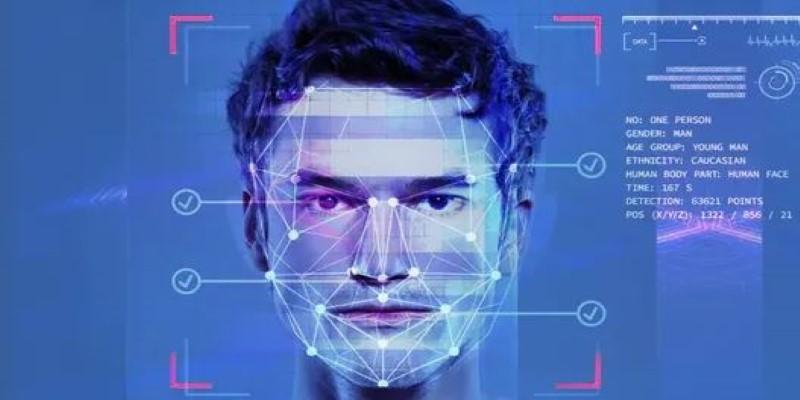
Using facial recognition technology has sped up security checks, reducing the need for lengthy manual inspections or ID verification in certain areas. Fans could reach their seats faster while staff remained focused on real risks. The technology was also used inside the stadium to monitor certain sections more closely. If someone who shouldn't be there attempted to enter a restricted area, alerts were sent to security staff immediately.
Critics of facial recognition have raised privacy concerns about the growing use of such tools. At the Super Bowl, officials stressed that the system was narrowly applied and data was not stored beyond the event. Even so, its presence sparked conversations about balancing safety with personal privacy — a debate that’s likely to continue as the technology spreads to more venues.
Why Drones Were Banned Entirely?
While AI and facial recognition were used as new tools, another measure relied on simplicity: no drones at all. In the weeks leading up to the Super Bowl, the Federal Aviation Administration (FAA) issued a strict no-fly zone around the stadium. Drones have become increasingly common in recent years, used by both hobbyists and professionals; however, they pose serious risks at crowded events.
A drone can crash into a crowd, disrupt air traffic, or even carry harmful materials. To eliminate that risk, the airspace was monitored constantly, and unauthorized drones were intercepted immediately. Law enforcement used a combination of radar, sensors, and signal jammers to keep the skies clear.
This rule wasn’t just for safety, but for peace of mind. With tens of thousands of people packed into the stadium, even a harmless drone buzzing overhead could cause panic. The clear ban made it easier to secure the area and avoid any surprises during the game.
The Human Element Still Matters
Even with all these high-tech tools, the Super Bowl still relied on thousands of human staff to keep things under control. Metal detectors, bag checks, uniformed officers on foot — these traditional measures remain the foundation of event security. AI and facial recognition didn’t replace people; they supported them.

Technology gave staff better information, faster alerts, and smarter ways to manage the crowd, but the work still came down to well-trained teams responding to situations on the ground. This combination of people and technology is what made the operation effective. It also helped reassure fans that they were safe without feeling like they were walking through a high-security facility.
The game went on without serious incidents, which shows how far event security has come. AI and facial recognition aren’t magic solutions, but when used properly, they give security teams a better chance to prevent problems before they escalate. Keeping drones out of the sky removed one unpredictable element. Together, these measures created a safer environment for everyone in attendance.
Balancing Safety and Experience
Balancing safety and experience at large events, such as the Super Bowl, is a delicate task. Fans expect to feel secure but don’t want their enjoyment overshadowed by heavy-handed measures. This year’s use of AI, facial recognition, and a strict no-drone policy helped achieve that balance. Technology worked quietly in the background, detecting risks and keeping the flow of people smooth without creating unnecessary delays. Staff could focus on real threats while letting most fans move through checkpoints quickly. By blending advanced tools with attentive human teams, organizers managed to create a safe atmosphere that still felt welcoming, letting everyone focus on the game itself.