Humanoid robots are no longer just science fiction. In recent years, they’ve quietly stepped off research lab floors and into practical workplaces. One company at the center of this shift has announced a collaboration aimed at making manufacturing faster and smarter. Rather than working alone, the humanoid robot company is teaming up with manufacturers and technology suppliers to improve how factories produce goods. This partnership signals a shift from prototypes and pilots toward real-world production, showing how these machines can take on tasks that used to slow down assembly lines and strain human workers.
Why Collaboration Matters in Manufacturing?
Factories often struggle with repetitive and tiring tasks that slow down production and wear down their workers. Finding enough skilled people to fill these roles is becoming harder, and injuries remain a constant risk. For years, industrial robots have helped, but they're limited — bolted in place and built for one rigid job. Humanoid robots bring something entirely new. They can walk, balance, and handle tools in spaces designed for humans, making them much more adaptable.
But they aren’t plug-and-play. Every factory has its own quirks — from how materials flow to how people move and work together. Dropping a robot into that mix without preparation rarely works. That’s why collaboration between the humanoid robot company, manufacturers, and tech partners is so important. The company studies each site closely, watching how workers interact and where delays happen. The robots are then fine-tuned to fit seamlessly into existing workflows rather than disrupt them.
Technology partners help as well, adding advanced sensors, cameras, and software to make sure the robots can find their way, recognize parts, and work safely alongside people. Together, this team effort avoids guesswork and speeds up results. By combining their expertise, they ensure the robots actually help the factory run better from day one.
How Humanoid Robots Improve Factory Work?
The promise of humanoid robots in manufacturing isn't just about speed — it's also about flexibility. Unlike traditional robots, which require dedicated cages or custom-built stations, humanoid robots can transition between tasks and operate in spaces designed for human use. This means they can help with tasks like unloading pallets, carrying materials, feeding parts into machines, and even performing inspections.
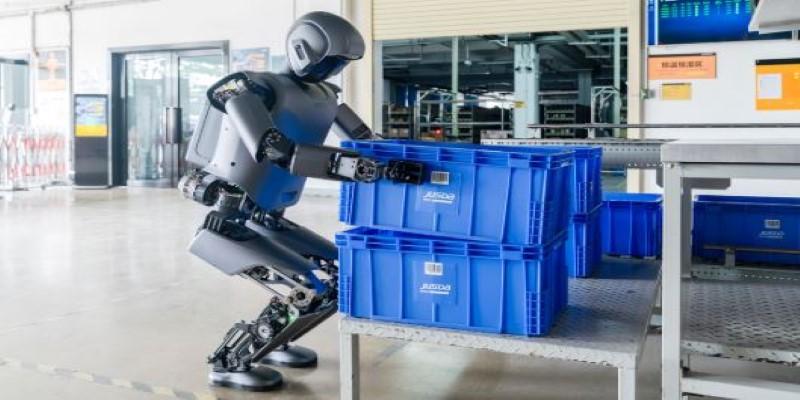
One of the key benefits manufacturers have seen through this collaboration is reduced downtime. When human workers take breaks, humanoid robots can keep operations moving by handling the simpler but time-sensitive jobs. They’re particularly useful in environments where shifts run long hours or overnight.
Another advantage comes from safety. Some jobs expose workers to awkward postures, repetitive strain, or heavy lifting. By assigning these tasks to humanoid robots, factories can reduce injuries and allow workers to focus on higher-value work. Over time, this balance not only speeds up production but also improves morale and retention among employees.
Humanoid robots are also well-suited to working alongside humans rather than replacing them. Because they’re designed to move at safe speeds, detect nearby workers, and respond to verbal or visual cues, they’re ideal for shared workspaces. The collaborative approach helps manufacturers introduce automation without alienating their workforce.
Overcoming Challenges Through Partnerships
Introducing humanoid robots into manufacturing does come with challenges. Factories vary widely, and not every task is a good match for a robot yet. There are technical hurdles, like ensuring robots can reliably grasp oddly shaped parts or recognize subtle defects during inspections. There are also cultural hurdles — some workers are skeptical of new technology or fear it might replace them.
This is where the collaboration between the humanoid robot company and its partners helps smooth the transition. By working directly with factory managers and operators, the company can gather feedback and refine the robots’ behavior. Training sessions and demonstrations show workers how to interact with the machines and reassure them that their roles are evolving rather than disappearing.
Technology suppliers help address the technical side. By integrating advanced cameras, AI algorithms, and improved battery systems, they make robots more reliable and adaptable. Cloud connectivity also allows for continuous monitoring and updates, so the robots can improve over time based on real-world data.
These partnerships make it possible to roll out robots faster, adapt them to unique conditions, and build confidence among both managers and workers. Without such collaboration, adoption would likely be slower and more prone to failure.
The Road Ahead for Humanoid Robots in Industry
This collaboration marks an early yet significant step toward the wider adoption of humanoid robots in manufacturing. As more factories gain experience with these machines, they're discovering not just how much faster production can be, but how much more resilient and flexible their operations become. Over time, the cost of the technology is expected to decrease, making it more accessible even to smaller manufacturers.
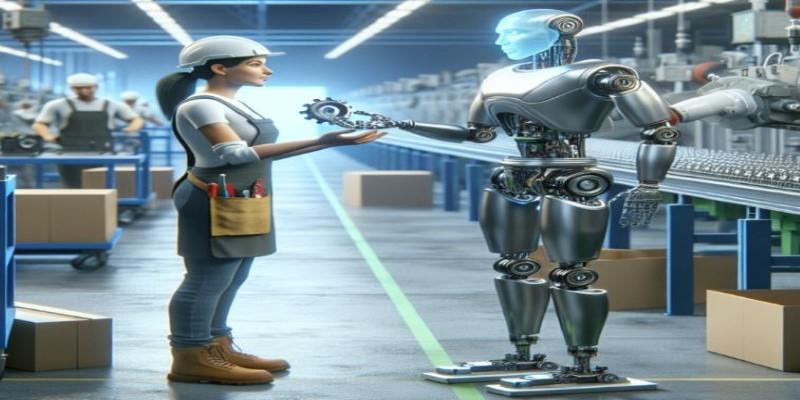
The humanoid robot company plans to continue expanding its partnerships, exploring other industries beyond traditional manufacturing. Warehousing, logistics, and even construction sites could benefit from similar approaches. As the robots’ capabilities improve, their usefulness grows — not by replacing human ingenuity but by supporting it.
For now, though, the focus remains on manufacturing, where every saved minute and reduced error count is crucial. The collaboration is helping factories adapt to labor shortages, meet increased demand, and keep workers safer — all while maintaining smooth production lines.
Conclusion
By working hand in hand with technology suppliers and manufacturers, the humanoid robot company is proving that innovation works best when it fits into real-world conditions. The robots may be advanced, but the goal is simple: help people do their jobs better and faster. This human-centered approach ensures that the promise of humanoid robots is not just about machines taking over but about smarter ways of working. As these collaborations grow, factories everywhere are likely to see both their productivity and their people benefit in ways that are practical and lasting.