The cybersecurity space has a new name to watch after an artificial intelligence-driven startup secured $100 million in fresh funding, pushing its valuation to $1.1 billion. The company, based in the United States, is among a growing number of firms that rely on machine learning and predictive analytics to protect critical infrastructure and private data from an increasing wave of digital threats.
Its founders say the mission isn’t just about building defensive software but creating a proactive AI layer that learns from attacks and strengthens networks before the next breach. This milestone suggests a clear appetite among investors for AI in cybersecurity.
A Growing Threat Meets Smarter Defense
Cyberattacks aren't just becoming more common—they're also becoming smarter and harder to detect. From ransomware locking down hospitals to phishing scams targeting small businesses, attackers are constantly finding new ways to slip through defenses. This startup has stepped up with an AI-powered platform that spots threats in real time, catching subtle patterns that would likely go unnoticed by human eyes. Instead of waiting for an attack to unfold, their system acts quickly, isolating suspicious activity before it can cause real damage. The founders believe this proactive approach can save companies millions by preventing costly breaches and downtime.
What sets their technology apart is how it learns. The AI doesn't just rely on broad, global threat data; it also studies each client's unique environment. This dual focus helps it distinguish between normal behavior and something suspicious happening. That means it catches both known malware and brand-new attacks, the kind that usually take weeks or months to detect. Traditional security often struggles with delays—patches come after vulnerabilities are exposed, leaving gaps. This startup's system closes those gaps as soon as it detects anything unusual, reducing the risk of damage before it occurs.
Why Investors Are Paying Attention?
Raising $100 million in a funding round sends a strong signal that investors believe AI-driven security is not just hype. The cybersecurity market is projected to grow steadily as more businesses migrate to cloud services and connect an increasing number of devices to the internet. Those trends increase the attack surface, leaving more doors open for cybercriminals. The startup's backers include a mix of venture capital firms and strategic partners who see potential not only in the technology but in the team's ability to scale.

Analysts who follow this space say the company stands out for its focus on national-level cybersecurity needs. While many firms cater to individual enterprises, this startup is positioning its platform as infrastructure-grade. That means it can protect public utilities, all targets of increasing concern. This focus is likely to have contributed to the strong investor interest, as securing critical national infrastructure has become a top priority in many countries.
Investors also see promise in the business model. Rather than selling static software, the company delivers its AI as a subscription service, providing updates, improvements, and real-time support without requiring clients to manage complex installations. This makes it accessible even to smaller organizations with limited IT teams while still meeting the demands of large-scale operations.
The Road Ahead for AI in Cybersecurity
With its billion-dollar valuation, the startup now faces the challenge of turning investor confidence into market dominance. Its roadmap includes expanding its presence beyond North America, with pilots already underway in Europe and parts of Asia. International expansion will test its ability to adapt its AI models to new regulatory environments and languages while keeping detection rates high.
The team is also working to expand the platform’s capabilities. They aim to move beyond network traffic monitoring and develop AI modules for endpoint security, mobile devices, and even Internet of Things ecosystems. As more household and industrial devices become internet-enabled, the risks multiply. Detecting a breach in a factory robot or a smart home device requires different data and algorithms than guarding a server. The company believes its adaptable AI core can evolve to meet those needs.
There’s also the challenge of keeping ahead of attackers who are becoming more sophisticated with AI. Malicious actors now use machine learning to create more convincing phishing emails, evade detection, and automate large-scale attacks. The startup’s engineers recognize this ongoing arms race and say that’s why continuous training and global intelligence sharing are built into the platform. Staying ahead will require working with other industry players, regulators, and even competitors to exchange threat insights.
Balancing Innovation with Trust
One of the more delicate aspects of scaling an AI-powered security platform is building trust among users. Privacy concerns are growing as more data gets collected and analyzed by algorithms. The company claims its platform anonymizes and encrypts all traffic it inspects, ensuring no personal information is stored or sold. Transparency around how the AI makes decisions — often called explainability — is also an ongoing focus. Clients need to understand why a certain file was flagged or why an account was locked to maintain confidence in the system.
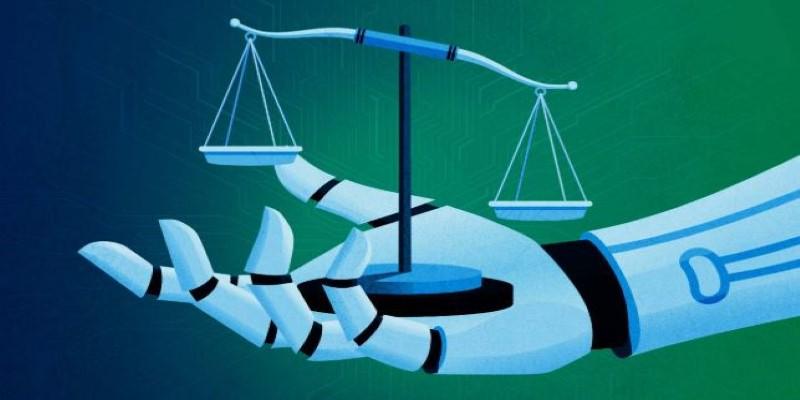
Trust will also depend on the startup's ability to deliver consistent performance under real-world stress. High-profile failures can quickly damage a reputation in cybersecurity, and competitors are watching closely. For the moment, the company cites successful defenses of several major clients as proof of concept, and the latest funding round suggests that the market believes in the promise.
Conclusion
The rise of this AI-driven national cybersecurity startup highlights how the fight against digital threats is shifting toward smarter, more adaptive defenses. With $100 million in new funding and a valuation topping $1.1 billion, it has the resources to refine its technology, grow internationally, and take on some of the toughest challenges in protecting critical systems. As attackers become bolder and more creative, the demand for proactive, AI-driven security solutions will continue to grow. For now, this company's approach seems well-timed to meet the needs of an increasingly connected and vulnerable world.