AI is no longer just a term used to sound intelligent. It is becoming a significant driver of change in organizations of all sizes. Artificial intelligence is helping companies run more efficiently, effectively, and successfully. Smart chatbots that answer instantly and automated tools that save hours of human effort are two cases in point. It helps reduce costs, minimize errors, and make better decisions using real-time information.
Whatever the size of your company, artificial intelligence offers tools that can help you change your business practices. It’s about enabling people to work more efficiently rather than about substituting one person for another. This guide will discuss how the use of artificial intelligence can enhance customer service, help you remain competitive in a rapidly evolving environment, and streamline your firm’s operations.

What Is Artificial Intelligence in Business?
Using computers that can think, learn, and perform tasks similar to those done by humans characterizes artificial intelligence in business. Identifying and fixing issues, automating daily tasks, and basing informed decisions on data all help companies operate more efficiently. AI systems can rapidly sift large volumes of data to find patterns and trends that people might miss. It helps businesses stay ahead of their competitors and satisfy client needs more quickly.
Two popular artificial intelligence applications in business are recommendation engines that suggest goods or services based on past behavior, and chatbots that assist clients. AI is also vital for predicting sales, spotting risks, and delivering real-time information. These characteristics enable leaders to develop more effective strategies and adapt to market shifts. AI is also about using smarts to swiftly and accurately solve problems, not just being quick. With the right data and tools, companies can utilize artificial intelligence to enhance efficiency and reduce errors across multiple departments.
AI and Automation: Saving Time and Money
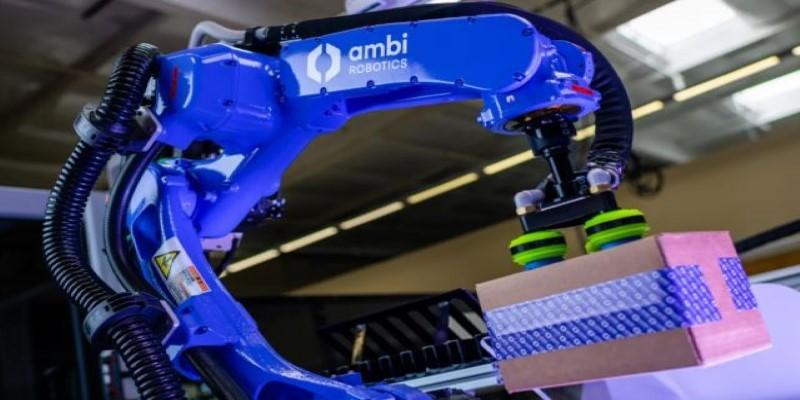
Through AI-powered automation, businesses may save time, money, and work more effectively. AI can now perform tasks that once required human effort, such as scanning documents, responding to emails, and scheduling calendars. It enables employees to focus on more critical projects that require human creativity and judgment. On assembly lines in factories, artificial intelligence-powered robots perform repetitive tasks, thereby increasing manufacturing efficiency and reducing labor costs.
Artificial intelligence systems even dispatch office meeting reminders, monitor processes, and control digital information. These tools help lower the chance of errors and increase accuracy, as they work swiftly and never become tired. Moreover, artificial intelligence can notify teams of any problems, therefore enabling quick action. Automating business operations not only saves money but also boosts productivity and enhances results. Businesses that effectively use automation may expand their operations more quickly without compromising quality. New ideas and efficiency go hand in hand, according to AI, which continues to prove it.
Improving Customer Service with AI
Faster, smarter, and more approachable, artificial intelligence is changing customer service. Companies are increasingly using artificial intelligence-powered chatbots to provide answers, assist customers, and resolve daily problems around the clock. It helps customers receive quick service even when the store is closed, reducing long wait times. Many people would much rather have this quick and direct service. AI also gathers information from past conversations, making it more valuable over time. It monitors a customer’s preferences and history to provide more tailored answers that seem like a genuine dialogue with someone.
Consistent service provided by AI-powered virtual agents makes it simpler for actual employees to perform their duties. Tracking patterns and collecting feedback also help businesses understand how consumers behave, thanks to the use of artificial intelligence. This knowledge enables companies to see what their consumers like and hate. Using real-time data, they may rapidly improve services and goods. AI helps make contacts smoother and more enjoyable all around, thereby acknowledging and valuing consumers and fostering greater loyalty in turn.
Smarter Decision-Making Through Data Analysis
By transforming raw data into actionable insights, artificial intelligence enables businesses to make informed decisions and drive growth. Businesses obtain daily information from consumers, sales, and the market. Going through all of this manually is time-consuming and difficult. AI tools can do it quickly and precisely. By revealing patterns and trends, they help leaders identify areas that need improvement and those that are already functioning effectively.
AI can, for example, forecast which goods will sell the most in the upcoming season or identify customers who are likely to stop using a service. Companies can utilize these ideas to develop more effective marketing plans, adjust pricing, or enhance the overall customer experience. AI systems also assist by showing the most probable outcomes of a decision. It maximizes resources and helps companies avoid expensive errors.
AI in Marketing and Sales
Marketing and sales benefit from artificial intelligence, a strong tool for helping companies pinpoint their ideal clients. It examines how people behave while shopping, what they prefer, and how they respond to promotions. AI utilizes this data to generate relevant, customized content, including emails, product recommendations, and targeted advertising. It piques consumers’ interest and strengthens your relationships with them. In sales, artificial intelligence can identify leads that are most likely to become paying customers. It enables sales teams to devote more time to high-value prospects and less time to cold leads.
Additionally, AI monitors your purchases and alerts you at the optimum time to contact consumers. Through artificial intelligence, marketing teams can identify the most successful campaigns and make immediate adjustments to optimize their performance. It lowers advertising costs and improves results. By automating specific activities, artificial intelligence enables businesses to operate more efficiently and accurately. Having a smart assistant transforms your creativity and efficiency, much like having one.
Conclusion:
Companies seeking to grow and remain competitive should leverage artificial intelligence to drive innovation and stay ahead of the curve. AI can enable companies to operate more efficiently, reduce costs, and deliver superior customer service. Moreover, it enables leaders to make more data-driven judgments more quickly. From marketing and sales to employment and customer service, artificial intelligence is reshaping the future of every aspect. Companies using artificial intelligence today will fare better than those who delay. The goal is to use artificial intelligence to help rather than replace people.