When Apple introduced the Vision Pro, it was clear the device wasn’t built to merely compete—it was designed to redefine how people interact with digital content. But what happens when you take that foundation and layer it with generative AI? The result is more than just a feature update—it’s a dramatic shift in how the Vision Pro responds, adapts, and engages.
Now, instead of feeling like you’re operating a device, it feels like the device is working alongside you. Everything flows smoother, reacts quicker, and adapts with uncanny precision. The lines between the digital and physical worlds begin to blur in a way that feels deliberate, not experimental.
What’s Different Now?
At its launch, Vision Pro already offered a set of groundbreaking tools for spatial computing, blending physical surroundings with digital layers. The addition of generative AI now nudges the device past those early capabilities and into territory where it doesn’t just display or react—it thinks, creates, and evolves alongside the user.
This upgrade isn’t a simple background optimization. Instead, it reaches into every part of the Vision Pro’s functionality—from how it generates spatial environments on the fly to how it helps users organize their content in real-time, adjusting dynamically based on context and behavior. That means no more static interfaces or repetitive interactions. Whether you’re watching a movie, editing a 3D model, or attending a virtual meeting, the experience feels personal, fluid, and uncannily intuitive.
AI That Builds With You
Generative AI in the Vision Pro acts like a quiet co-creator. You start something, and the system helps you build, not by giving you templates, but by understanding your intent. That's the core difference. Apple's own description emphasizes "intelligent scene generation," where you can initiate a spatial environment with a prompt, like "a cozy workspace with warm lighting and no distractions," and within seconds, it constructs one.
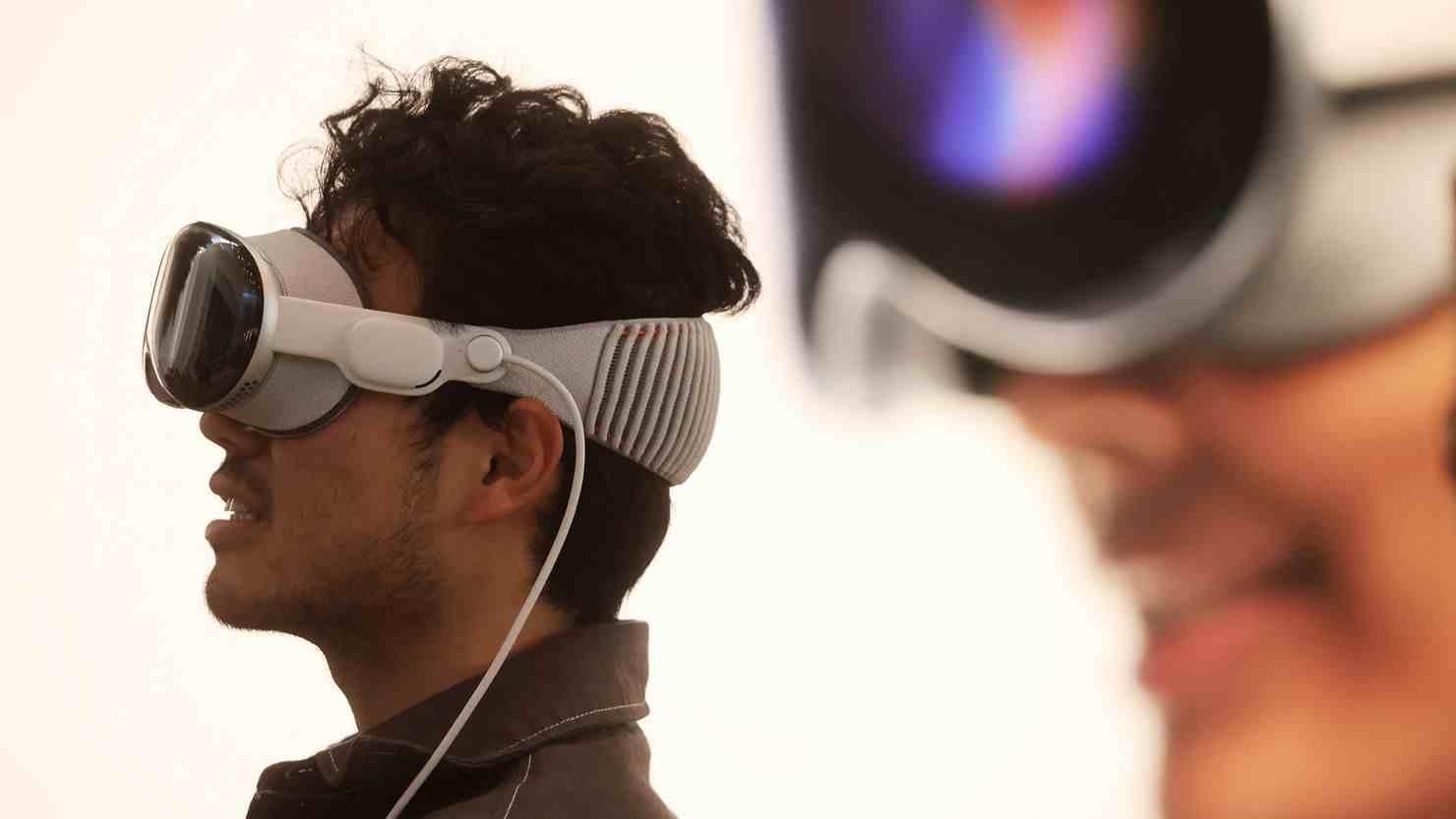
This is not a copy-paste room from a library of presets. It’s a dynamic composition built on the spot. Need to change the mood? A simple phrase like “make it feel like a morning in the mountains” shifts the lighting, color palette, and even ambient sounds in one move. Everything updates seamlessly and responds to how you engage with it. You don’t scroll through menus anymore—you speak, you gesture, and it listens.
More than that, the AI isn’t just visual. It now predicts your content needs based on time, habits, and past behavior. If you usually review reports at 9 a.m., expect the environment to reshape itself to support that task. If you’re prepping for a video call, the AI optimizes your virtual space, aligns your notes, adjusts lighting, and even suggests relevant documents—all without needing a tap.
Smarter, More Natural Communication
One standout addition is what Apple calls “enhanced persona mirroring.” While Vision Pro always allowed users to project a digital representation of themselves during calls, generative AI now upgrades that feature with micro-expression modeling and tone-adaptive gestures. This might sound like a small improvement, but in practice, it changes everything.
Rather than relying on a stiff, expressionless version of your face, Vision Pro now picks up subtle facial movements and voice inflections to adjust your digital persona in real-time. When you smile, it doesn’t just show teeth—it reflects a realistic version of how you smile. When you pause before making a point, your persona shows the same brief moment of thought.
Communication in virtual spaces stops feeling robotic. Instead, you get real-time nuance. Eye movement, shoulder shifts, the pace of your breathing—they’re all factored in. For meetings, collaborative design sessions, or remote storytelling, it creates a sense of presence that’s far closer to a face-to-face encounter than anything we’ve seen so far.
A Developer's Playground
For developers, this AI-powered upgrade opens new doors. Apple now provides APIs that let creators integrate generative AI into their own spatial applications. This means environments inside Vision Pro no longer need to be static or predetermined. A meditation app could adjust based on your heart rate. A learning module might reformat itself depending on where you seem confused.
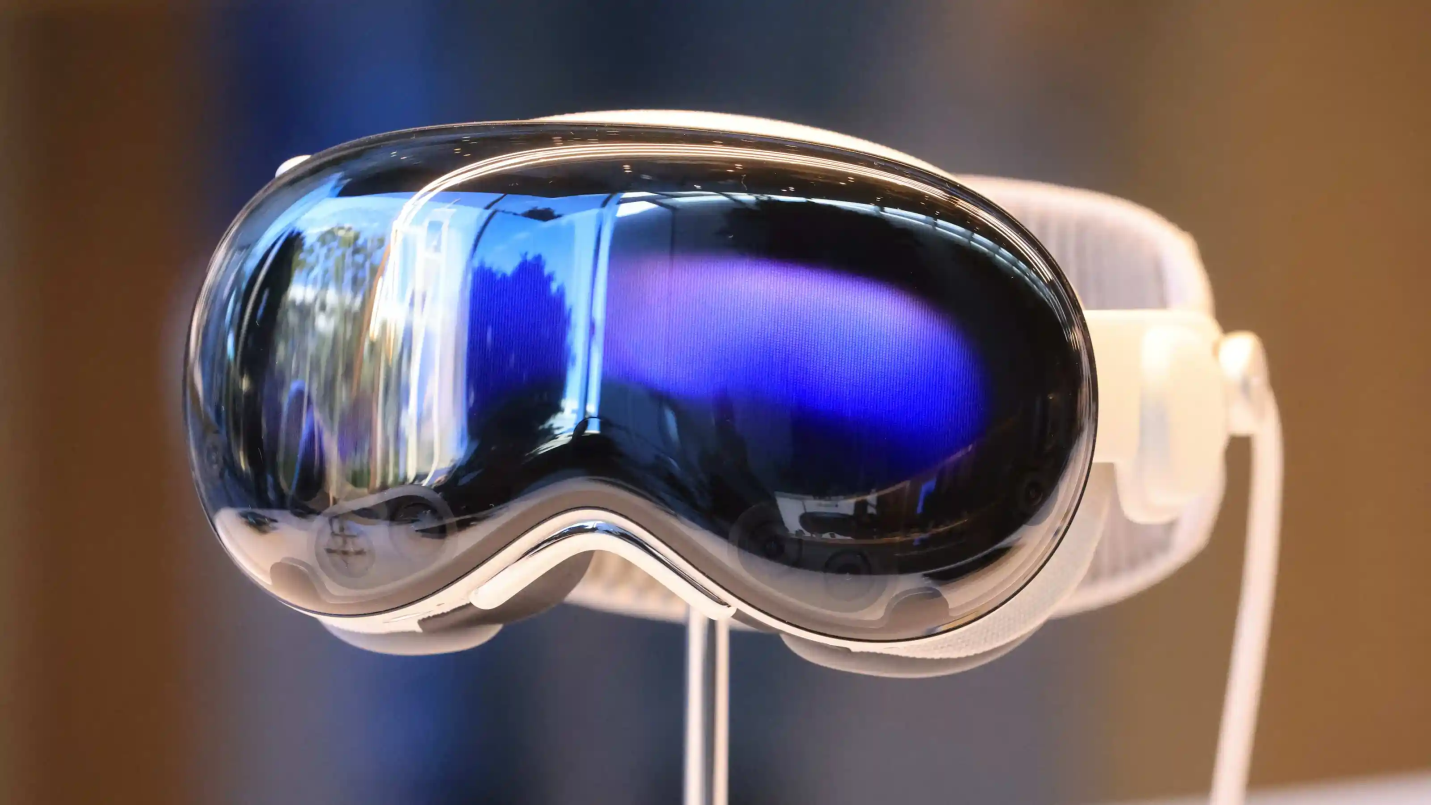
The AI doesn’t just sit at the system level—it’s available to app developers to build on, making Vision Pro a tool that adapts far beyond the home screen.
Even 3D content creation takes a leap forward. With AI-assisted tools, you can sketch an object in the air and have the system generate textures, shading, and depth in real-time. Want a mountain range behind your design? You don’t need to model it—you describe it, and the system fills it in, matching the lighting and geometry of your existing content.
What's more impressive is how quickly the system responds. Apple's custom silicon, paired with its refined neural engine, keeps everything running without noticeable lag. The experience stays light and reactive, even with high computational demand under the hood.
Wrapping It Up!
Apple’s Vision Pro always had potential. With this latest generative AI upgrade, that potential begins to feel real. It’s not just a device you put on your face—it’s a system that understands what you’re trying to do and gets better at helping you do it.
There’s a sense that the system is learning with you, quietly improving behind the scenes. For users who rely on precision, speed, and responsiveness, this upgrade doesn’t just help—it changes the expectations. And as the technology matures, it’s likely we’ll look back at this AI shift as the moment when Vision Pro truly came into its own. It’s no longer about novelty—it’s about utility that fits into real work and real moments. What once felt futuristic now feels surprisingly natural.