When you think about a robot shaped like a dog, the first thing that may come to mind is a quirky novelty or something out of a sci-fi movie. But Spot, the quadruped robot developed by Boston Dynamics, is far from a gimmick. With its nimble legs and high-tech sensors, this mechanical canine is being used in real-world job sites to do something incredibly practical—spot potential safety hazards before they become dangerous.
At first glance, it walks like a dog and looks almost playful. But behind that animal-like gait is a machine built to prevent workplace accidents, especially in high-risk industries where safety isn't just a concern—it’s a daily challenge.
Built for the Job: Spot’s Physical Prowess
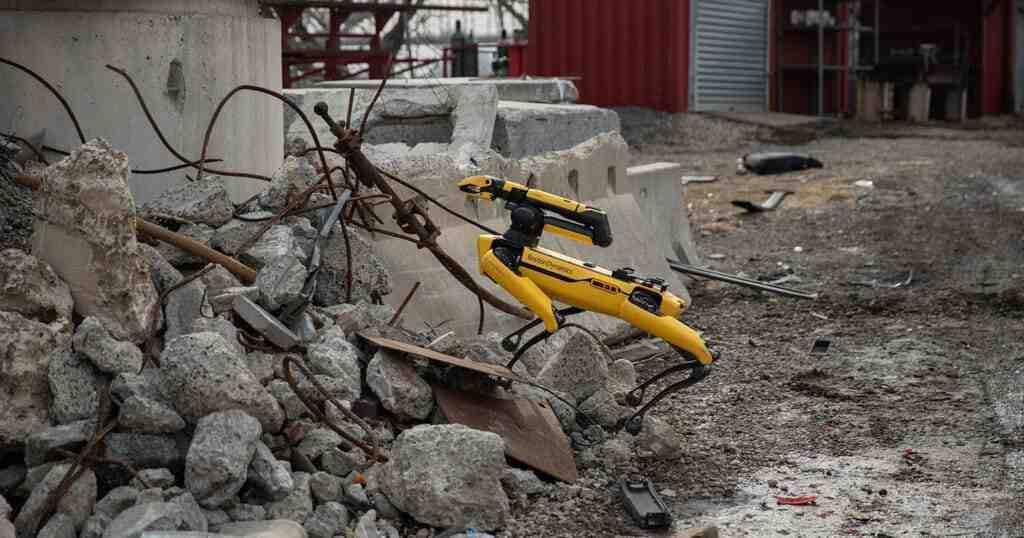
Spot is not a showy robot that impresses you with lights and frills. It's small, tough, and curiously nimble. It weighs around 70 pounds and measures just shy of three feet tall, but it can navigate construction zones, industrial complexes, and even underground tunnels without running into things or stumbling over
gunk.
The true showstopper, however, is how it ambles across rough ground. Where wheels or even tracks would stumble, Spot glides along with a fluidity that leaves you gaping. Up the stairs, sidestepping under low-hanging beams, making a turn around corners—none of these keeps it back. That's crucial when you're working in environments filled with unpredictable elements. But its physical mobility is just one part of the equation.
Eyes, Ears, and Sensors: How Spot Sees the World
Spot’s vision isn’t based on guesswork or human direction. It carries a full array of sensors—thermal imaging, LiDAR, 360-degree cameras—that allow it to scan its environment with a level of detail that goes far beyond what a typical worker might catch.
Thermal sensors detect temperature anomalies, which can point to overheating machinery or electrical faults. LiDAR builds 3D maps in real time, flagging shifts in terrain or noting the presence of objects that weren’t there before. The robot can be equipped with a gas detection module too, useful in facilities where a leak could mean an emergency.
It doesn’t simply collect this data and store it away. Everything it picks up is sent directly to human supervisors, sometimes even in real time. That way, a problem spotted by the robot at 8:32 AM can be acted upon by 8:35. This isn’t about replacing workers. It’s about making sure those workers don’t step into a dangerous situation they couldn’t see coming.
Where It Works Best: Site Inspections and Routine Monitoring
One of the strongest use cases for Spot is in places where it’s not safe—or simply not practical—for humans to walk through regularly. Think of decommissioned buildings, active construction zones, or industrial plants with tight corners and low visibility.
Let’s say you’ve got a hundred thousand square feet of warehouse space with equipment running day and night. Sending in an inspector on foot every few hours is time-consuming and, depending on what’s happening inside, potentially hazardous. Spot can patrol the space automatically, following a pre-mapped path and identifying anything out of the ordinary. Cracks in the floor, a shifted pipe, a heat signature that looks off—Spot won’t miss it.
And because the robot can be programmed to run the same route multiple times a day, it’s easier to compare data sets. Did that equipment always vibrate like that? Was that corner always ten degrees hotter than the others? With Spot, the baseline is constantly updated, and anomalies don’t slip through the cracks.
How Spot Inspects for Safety Hazards: Step by Step
You might be wondering what the actual inspection process looks like. Let’s break it down.
Step 1: Pre-Mapping the Environment
Before Spot starts inspecting, the robot is manually guided through the site. This initial walkthrough helps it understand the layout. It records the route, notes key checkpoints, and memorizes where everything should be. That way, later patrols can be fully autonomous.
Step 2: Setting the Inspection Routine
Once the environment is mapped, the robot is assigned specific tasks. This could be as simple as “check the heat levels near the generator every hour” or as detailed as “scan for leaks along this 50-foot stretch of pipeline at 6 AM, 2 PM, and midnight.”
Because the robot is programmable, teams can adjust inspection frequency depending on time of day, environmental conditions, or previous findings.
Step 3: Running the Patrol
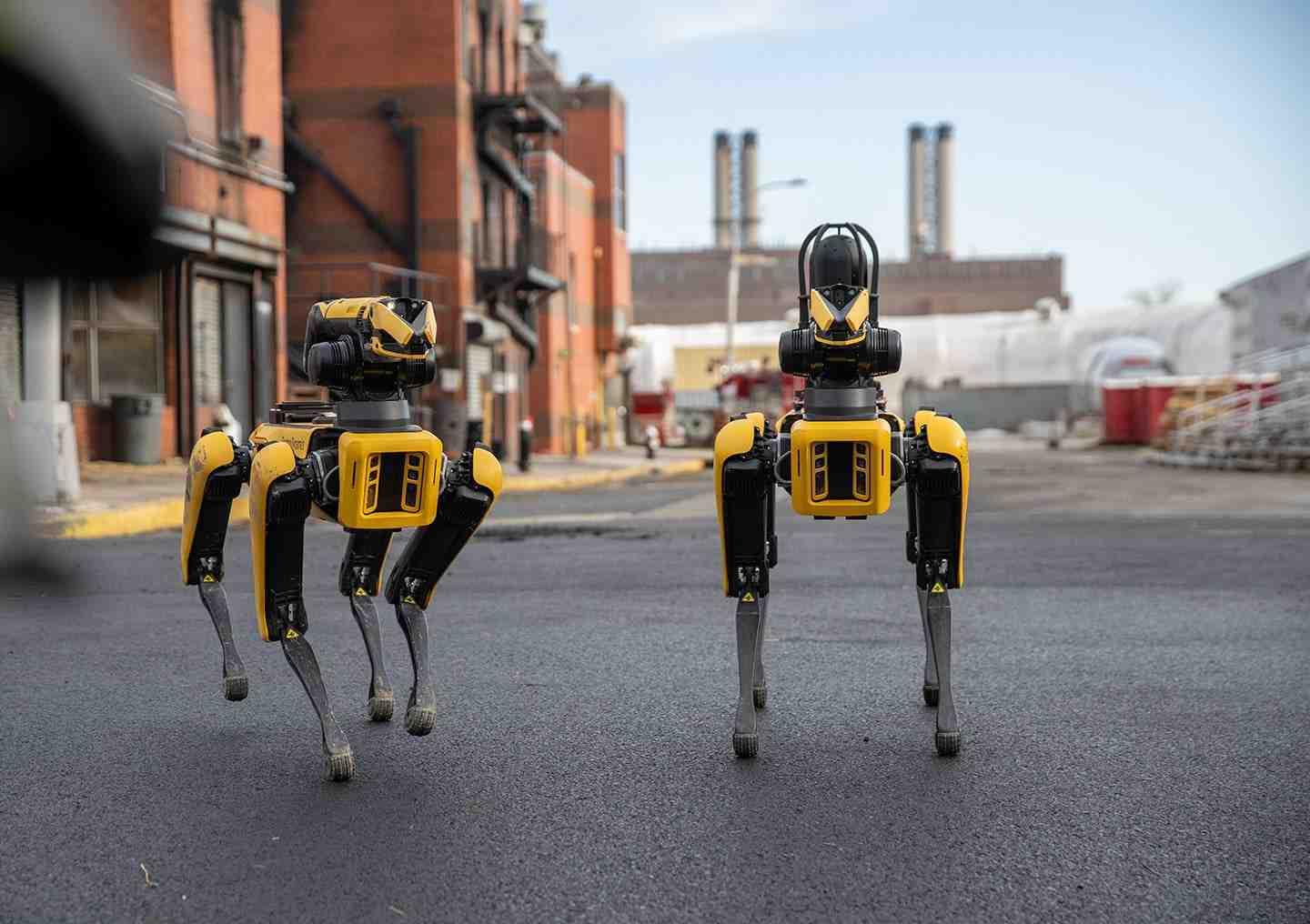
Spot begins its inspection route, navigating the site using its onboard navigation system. It walks carefully but efficiently, avoiding any new obstructions that weren’t part of the original mapping. Its sensors constantly scan the environment, capturing visuals, temperatures, noise levels, and chemical data.
Any irregularities are flagged immediately and sent to the monitoring team, often along with image or video evidence. Think of it as a roaming safety inspector with a perfect memory and no fatigue.
Step 4: Syncing the Data
Once the inspection is done, Spot automatically uploads the data to a cloud-based platform where safety officers can view trends, generate reports, or zoom in on specific incidents. No need for someone to manually transfer files or sort through recordings—it’s all streamlined.
Closing Thoughts
Spot isn’t just walking around for show. It’s out there preventing injuries, catching early warnings, and doing the kind of repetitive, sometimes dangerous work that humans shouldn't have to. It’s reliable, it’s accurate, and it doesn’t need a break.
While it might look unusual at first, there’s a clear reason why more industries are turning to Spot. In environments where a missed detail could lead to a serious hazard, a robot that doesn’t miss anything is not just helpful—it’s essential. And as job sites grow more complex, having an extra set of tireless, watchful eyes might just be the smartest move on the floor.