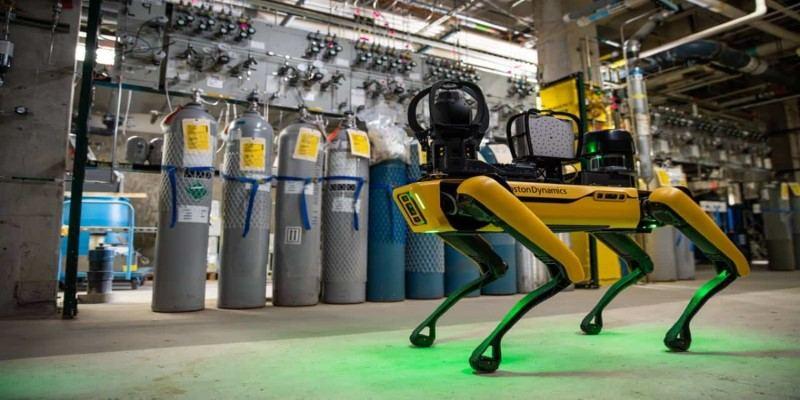
When you hear “MIT” and “manufacturing” in the same sentence, there’s a certain weight to it. You can almost sense something meaningful taking shape—like gears shifting inside a machine you know is going to work. This time, it’s an initiative that places AI and emerging tech right at the core of how we build things. But don’t let the heavy topics fool you; the focus here is deeply practical. The aim isn’t to wow you with ideas—it’s to change the nuts and bolts of how production happens.
The Thinking Behind the Move
There's a reason MIT's approach is gathering attention. This isn't about forcing robots into factories for the sake of novelty. It's about recognizing the lag between technological advancement and adoption, particularly in smaller manufacturers who don't have the resources to play around with trial and error. MIT wants to close that gap.
The focus is on what actually improves outcomes. Not theoretical AI, but AI that spots defects during production. Not futuristic robotics, but systems that can adjust operations in real time. Behind it all is a practical lens: how do we get these tools into the hands of people who need them the most, before the rest of the world leaves them behind?
The Key Areas of Focus
The initiative, centered at the MIT Schwarzman College of Computing and its Industrial Performance Center, is structured but not rigid. There are four major priorities, and each one has a specific angle. Think of it as four doors leading to the same room: smarter, faster, more adaptive manufacturing.
1. AI for Real-Time Decision Making
Most manufacturing floors don’t lack data. They lack the right kind of analysis when it counts. MIT is building systems that process sensor data, machine feedback, and quality control inputs on the fly. The goal? Decisions that don’t wait until the end of the production line.
In practice, this means using machine learning to reduce downtime. Predict when a part might fail, not after it fails. Adjust the speed of a process because the material is behaving differently today, which leads to waste. These are micro-decisions, but they add up quickly when you're running a facility that never stops moving.
2. Flexible Robotics That Adapt, Not Repeat
Traditional robotics shines in controlled environments. But throw in variations—different materials, slight defects, unexpected patterns—and the machines stall. MIT wants to fix that by teaching machines to react.
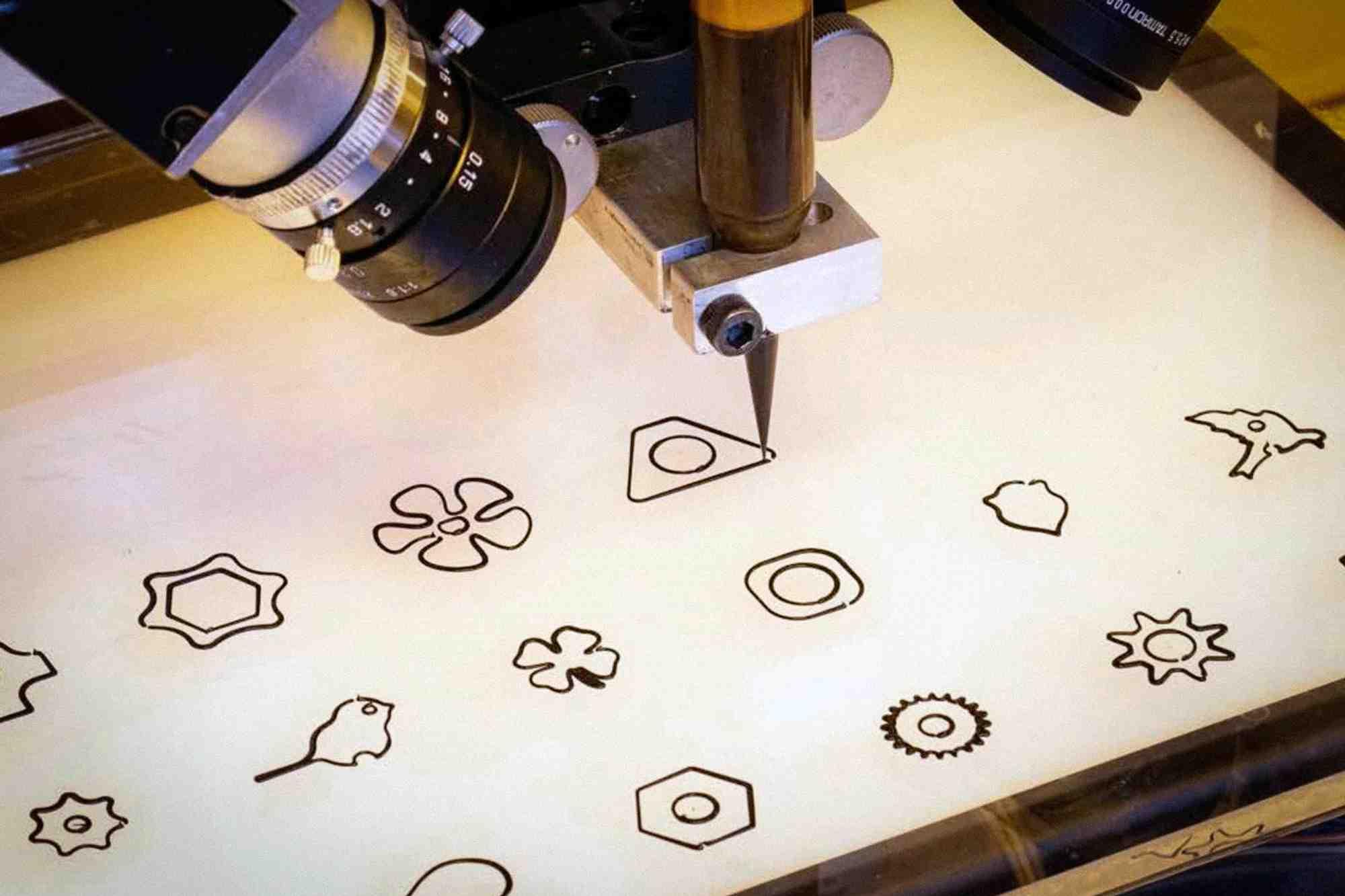
Instead of programming one action for one situation, engineers are training robots to understand context. That means robotic arms that don’t just move—they watch, adjust, and learn. Whether it’s repositioning a component or changing grip strength, flexibility replaces repetition. It's not about adding complexity. It's about making systems capable of doing more with less intervention.
3. Smaller Manufacturers in the Spotlight
MIT knows that technology can widen the gap between the big players and everyone else. So a huge part of the initiative is about making access more equitable. The research isn’t locked away in academic journals—it’s being developed alongside manufacturers who operate on tighter budgets and tighter deadlines.
This includes everything from modular tools that can be installed without major rework to training programs that don't assume a tech-savvy workforce. It's one thing to invent. It's another to make sure people can actually use what you create. That's the litmus test here: will it work for the folks who can't afford to get it wrong?
4. New Models for Collaboration
You won’t find any one-size-fits-all playbooks here. Instead, MIT is developing what they call “testbeds”—real-world environments where researchers and manufacturers can test solutions together. The aim is to move beyond theory and put emerging technologies in motion before they reach full market deployment.
This isn’t just helpful—it’s necessary. Manufacturers can’t rely on guesswork. They need proof that something works before changing the way they operate. By designing experiments that are small but targeted, MIT offers them a safe way to test ideas without blowing the budget or stopping production.
How It’s Being Put Into Action
It’s one thing to have a strategy, but what does it look like when the rubber meets the road? Here’s a straightforward breakdown of how the initiative is being implemented—step by step.
Step 1: Build Cross-Functional Teams
This isn’t about separating engineering, computing, and business. MIT brings together people from all angles—AI specialists, mechanical engineers, industry partners, and supply chain analysts. The teams start by identifying common bottlenecks faced by manufacturers, then set up pilot projects aimed at solving them.
Step 2: Set Up Living Labs
Before anything is commercialized, it’s tested in living labs—spaces where factories, not classrooms, serve as the testing ground. These labs are designed to mimic real conditions, from equipment wear-and-tear to workforce limitations. That means the solutions developed are already grounded in reality.
Step 3: Build Scalable Tools
This stage focuses on refining prototypes. If a robotic vision system works in one plant, how can it be adjusted for others without starting from scratch? That’s the key question. The tools being created are modular, customizable, and built with smaller operations in mind.
Step 4: Train and Transition
Once the tech works, it's not simply handed off. MIT supports the transition through targeted training, both for engineers and for operators. This isn't just "how to use it," but "how to adapt it when things change." The goal is to make each solution self-sustaining.
Why It’s More Than Just Hype
It’s easy to get lost in the buzzwords that surround AI and emerging tech. But what MIT is doing here stands out because it doesn’t lean into that. The work is deeply unflashy by design. It’s focused on mechanics, on efficiency, on solving very specific problems with very specific solutions.
More than that, it recognizes something many other programs overlook: the best technology isn’t the one with the most features—it’s the one that actually gets used. MIT’s approach filters out complexity for its own sake and builds systems that do one thing exceptionally well.
Wrapping It Up
At the core of MIT’s initiative is a quiet kind of ambition—one that doesn’t shout, but moves with purpose. It's not trying to change manufacturing with a magic button. It’s focused on things that work today and can evolve tomorrow. From AI tools that cut waste before it starts, to robots that can learn on the job, the goal is clear: help manufacturers stay relevant without leaving anyone behind. That’s not theory. That’s progress you can see.